Humans may not be the only animals capable of using tools—or even creating simple ones—but they are undoubtedly unique in the complexity, diversity, and versatility …
Updated on Sin categoría
Tools
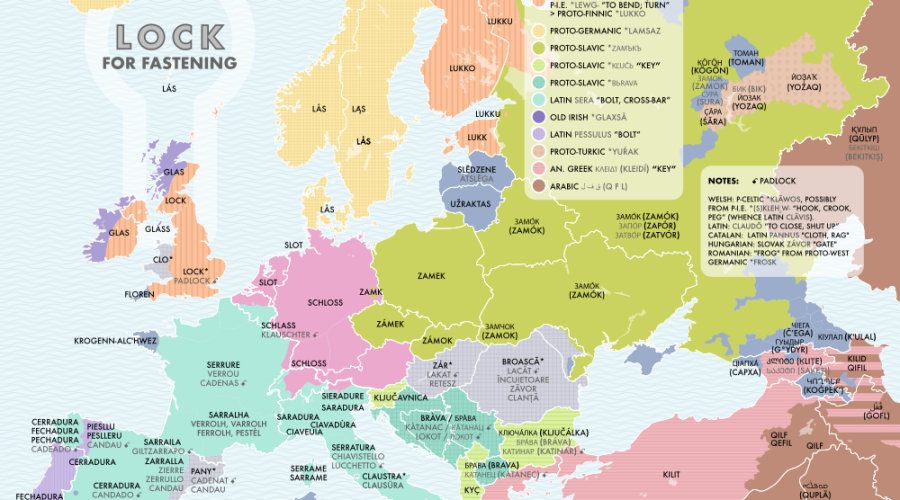
maps & other fictions
Humans may not be the only animals capable of using tools—or even creating simple ones—but they are undoubtedly unique in the complexity, diversity, and versatility …
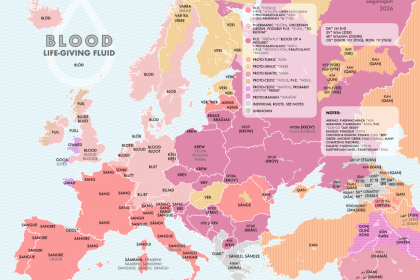
In this post, we will analyze the etymological roots of words used to define materials and secretions derived from non-human animals. Specifically, we will trace …

Herpetón is derived from Ancient Greek (ἑρπετόν) and refers to any creeping animal. In Modern English, it is the root of herpetology, the scientific study …

Spices are used to flavor or color food, and therefore form a broad category that includes various plant parts: seeds (fennel, mustard, nutmeg, black pepper), …

In this section, we will explore the fascinating etymologies of flowers, the reproductive structures found in certain plants known as angiosperms. Flowers are typically composed …
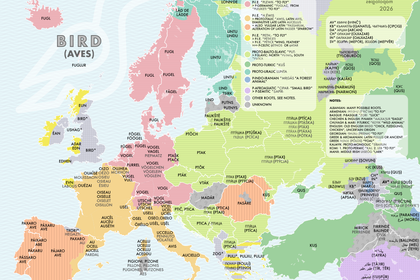
When you think of an animal with no teeth or hair that lays eggs, birds might come to mind. The words used to name birds …

Vegetables are generally the edible parts of plants. In previous posts, we explored roots, fruits and berries, legumes, cereals and seeds, and flowers. We also …

Skyscraper The term “skyscraper” originates from the words sky and scrape, evoking the image of something that reaches or touches the sky. In many languages, …

Point On this map we can distinguish four etymological roots: First, there are languages with a Latin-based word. English, for instance, “point” originates from the …

The edible grains or seeds from certain types of grasses, which are rich in carbohydrates and provide essential nutrients like fiber, vitamins, and minerals, are …